Introduction
High cholesterol is one of the most common health concerns affecting adults over 40, yet it's also one of the most manageable through dietary choices. The good news is that foods that naturally lower cholesterol levels are widely available, affordable, and genuinely effective when incorporated consistently into your daily routine. Unlike the perception that managing cholesterol requires drastic lifestyle overhauls, research shows that strategic food choices can significantly reduce your cholesterol numbers without relying solely on medication. This article explores science-backed dietary options that have demonstrated real results in clinical studies, giving you practical, actionable strategies to improve your cholesterol profile naturally. Whether you're newly diagnosed or looking to enhance your current management approach, understanding which foods work—and why—is the first step toward meaningful, lasting change.
Understanding High Cholesterol: Causes and Background
Cholesterol is a waxy substance your body produces naturally and uses for essential functions like hormone production and cell membrane maintenance. However, when cholesterol levels become elevated, it accumulates in artery walls, narrowing blood vessels and restricting blood flow—a condition called atherosclerosis. This process significantly increases your risk of heart attack and stroke, making cholesterol management a genuine health priority.
Several factors contribute to high cholesterol levels. Genetics plays a substantial role; if your parents or close relatives had high cholesterol, you're more likely to develop it as well. Diet is equally influential—foods high in saturated fats and trans fats raise LDL cholesterol (the "bad" kind), while processed foods and added sugars worsen the overall cholesterol profile. Age matters too; cholesterol naturally rises as we get older, particularly after age 40. Other contributors include sedentary lifestyle, excess weight, smoking, and certain medical conditions like diabetes and hypothyroidism.
The body produces approximately 70-80% of circulating cholesterol internally, meaning that even those with excellent diets may have genetic predisposition to higher levels. However, this also means that dietary modifications can meaningfully impact your numbers. A 2019 study published in the American Journal of Clinical Nutrition found that comprehensive dietary changes reduced LDL cholesterol by an average of 15-30% without medication, demonstrating that food choices absolutely matter. Understanding the root causes of your specific situation—whether primarily dietary, genetic, or lifestyle-related—helps you choose the most effective intervention strategy.
The Two Types of Cholesterol
Understanding the distinction between LDL and HDL cholesterol is essential for effective management. LDL (low-density lipoprotein) is often called "bad" cholesterol because it carries cholesterol particles throughout your bloodstream, depositing them in artery walls where they accumulate and harden into plaques. HDL (high-density lipoprotein), conversely, is "good" cholesterol because it removes cholesterol from arteries and tissues, transporting it to your liver for disposal. Your goal should be to lower LDL while raising HDL, effectively creating a healthier ratio.
Recognizing High Cholesterol: Signs and Symptoms
One of the most important facts about high cholesterol is that it typically causes no noticeable symptoms. You can have dangerously elevated levels without feeling anything amiss, which is why it's called a "silent" condition. Many people discover they have high cholesterol only through routine blood work ordered by their healthcare provider. This asymptomatic nature makes regular screening crucial, especially for adults over 40 or those with family history of heart disease.
While high cholesterol itself produces no warning signs, advanced atherosclerosis—the condition that results from years of elevated cholesterol—can trigger specific symptoms. These include chest pain (angina), shortness of breath during physical activity, numbness or weakness in limbs, and sudden severe headaches. Some individuals develop xanthomas, which are yellowish deposits of cholesterol under the skin, or xanthelasmas, cholesterol deposits around the eyelids. However, these visible signs typically only appear in cases of severely elevated cholesterol levels.
The danger lies in cholesterol's invisibility. By the time symptoms appear, significant arterial damage may have already occurred. This underscores why dietary prevention and management are so valuable—they work silently in your favor, preventing the silent buildup that leads to heart disease. Regular cholesterol screening through blood tests (measuring total cholesterol, LDL, HDL, and triglycerides) is the only reliable way to know your numbers. Adults over 40 should have their cholesterol checked at least every four to six years, or more frequently if previous levels were elevated or if you have other risk factors.
How High Cholesterol Impacts Daily Life
While high cholesterol doesn't cause immediate symptoms, its long-term effects significantly impact quality of life and longevity. The condition creates constant background stress on your cardiovascular system, gradually narrowing arteries throughout your body. This restriction means your heart must work harder to pump blood, increasing blood pressure and forcing your cardiovascular system into a state of chronic overload. Over time, this accelerates aging of blood vessels and increases fatigue during physical activity.
Beyond the physical effects, high cholesterol creates psychological burden. Many people experience anxiety about their health once diagnosed, worry about future cardiac events, and feel frustrated by dietary restrictions they believe they must follow. This psychological component is real and understandable—you're essentially living with a time bomb that might detonate silently at any moment. The good news is that taking proactive dietary steps provides a sense of control and reduces this anxiety considerably.
Unmanaged high cholesterol also limits lifestyle choices. Activities requiring cardiovascular endurance become more difficult, travel may be restricted by concerns about medical access, and insurance costs typically increase. Additionally, preventing cholesterol-related complications is far more cost-effective than treating heart disease or stroke. Taking action now through dietary modifications—such as consuming foods that naturally lower cholesterol levels—preserves your independence, extends your healthspan, and allows you to engage fully in activities you enjoy without cardiovascular limitation.
Natural Approaches and Lifestyle Modifications
While diet is tremendously important, lowering cholesterol effectively requires a comprehensive lifestyle approach addressing multiple factors simultaneously. Physical activity is particularly powerful; research from the Journal of the American College of Cardiology shows that 150 minutes of moderate aerobic exercise weekly can raise HDL cholesterol (the "good" kind) by 5-10% while lowering triglycerides. Walking, swimming, cycling, and jogging all count—consistency matters more than intensity.
Weight management significantly impacts cholesterol levels. Excess body weight, particularly around the abdomen, is strongly associated with elevated LDL cholesterol and reduced HDL cholesterol. Even modest weight loss of 5-10% of body weight can improve cholesterol profiles measurably. Stress management deserves attention too; chronic stress elevates cortisol, which increases cholesterol production. Meditation, yoga, deep breathing exercises, and adequate sleep all support better cholesterol control. A 2018 study in Psychosomatic Medicine found that stress reduction interventions lowered LDL cholesterol by an average of 8 points.
Smoking cessation is non-negotiable for cholesterol management. Smoking directly damages blood vessel walls and reduces HDL cholesterol while increasing LDL. Within just months of quitting, HDL cholesterol begins rising. Sleep quality matters significantly too; people who consistently get 6-8 hours nightly have better cholesterol profiles than chronic sleep-deprived individuals. These lifestyle factors work synergistically with dietary changes to create powerful, compound effects on your cholesterol numbers.
The Synergistic Effect of Multiple Changes
Research demonstrates that combining multiple lifestyle modifications produces exponentially better results than any single change alone. A person who simultaneously adopts a heart-healthy diet, increases physical activity, manages stress effectively, and improves sleep quality typically sees LDL reductions of 20-30% or more within six months—rivaling pharmaceutical intervention for many people. The key is viewing cholesterol management as a holistic endeavor rather than a single dietary focus.
Key Nutrients and Dietary Components for Cholesterol Control
Specific nutrients have demonstrated robust effects on cholesterol levels through rigorous scientific research. Soluble fiber is perhaps the most powerful dietary component, binding cholesterol in your digestive tract and eliminating it before absorption. A meta-analysis in the American Journal of Clinical Nutrition found that consuming 2-10 grams daily of soluble fiber lowered LDL cholesterol by 3-5 mg/dL per gram consumed. Plant stanols and sterols—naturally occurring compounds in plants—actively block cholesterol absorption, with research supporting a 6-15% LDL reduction when consuming 2 grams daily.
Omega-3 fatty acids from fish reduce triglycerides and improve the overall cholesterol ratio. A 2015 systematic review in Nutrition Reviews confirmed that fatty fish consumption (salmon, mackerel, sardines) 2-3 times weekly provides measurable triglyceride reduction. Polyphenols—compounds in nuts, seeds, berries, and tea—act as powerful antioxidants that prevent LDL oxidation, a key step in arterial damage. The Mediterranean diet, rich in these compounds alongside olive oil containing monounsaturated fats, consistently shows 10-15% LDL reductions in adherence studies.
Specific foods that naturally lower cholesterol levels leverage these nutrients effectively. This is why many adults turn to targeted approaches—one such option involves focusing on supplements containing plant sterols, fiber, and omega-3 derivatives alongside dietary modifications. However, whole foods provide these nutrients in their most bioavailable forms, packaged alongside thousands of other beneficial compounds. Oats, barley, legumes, fatty fish, nuts, seeds, and plant-based oils are fundamental to any cholesterol-reduction strategy.
Top Cholesterol-Lowering Foods and Their Benefits
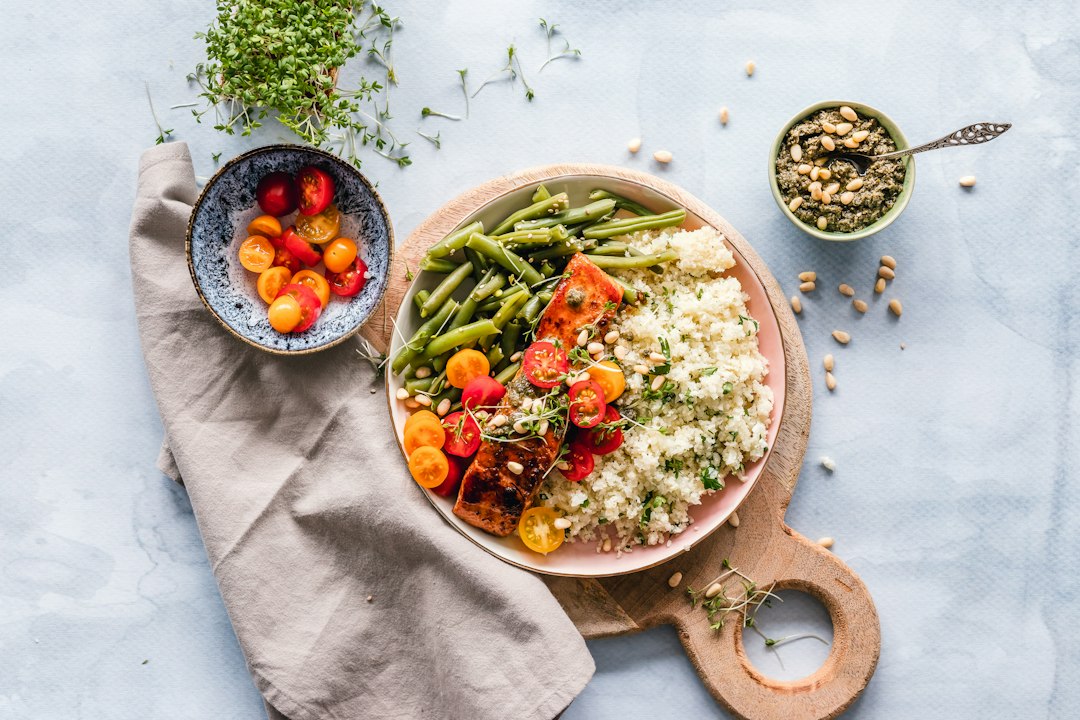
Certain foods demonstrate exceptional cholesterol-lowering properties backed by scientific evidence. Oats contain beta-glucan, a type of soluble fiber that actively reduces LDL cholesterol; eating one cup of cooked oatmeal daily can lower cholesterol by approximately 5 points. Beans and lentils offer similar fiber benefits plus plant-based protein that replaces cholesterol-laden animal proteins. Fatty fish like salmon provide omega-3 fatty acids that reduce inflammation and triglycerides, with studies showing consumption 2-3 times weekly reducing heart disease risk by 25-30%. Almonds, walnuts, and other nuts contain monounsaturated fats and phytosterols that lower LDL while preserving HDL. Dark leafy greens contain lutein and other compounds that prevent cholesterol oxidation, while berries deliver anthocyanins that improve cholesterol ratios. Extra virgin olive oil, the cornerstone of Mediterranean cuisine, contains polyphenols that protect LDL cholesterol from oxidation. Garlic contains allicin, a compound showing modest but measurable cholesterol-lowering effects in multiple studies.
When to See a Doctor
While dietary management is powerful, certain situations warrant professional medical consultation. If you have family history of premature heart disease (heart attack or stroke before age 55 in men or 65 in women), genetic testing may reveal familial hypercholesterolemia, a genetic condition requiring more aggressive management. If dietary changes and lifestyle modifications haven't lowered your cholesterol adequately after three to six months of consistent effort, medication may become necessary alongside continued dietary management. Additionally, if you experience chest pain, shortness of breath, or other cardiac symptoms, seek immediate medical attention rather than relying on dietary approaches alone.
Your doctor can also assess whether elevated cholesterol is your primary cardiovascular risk or whether other factors—high blood pressure, diabetes, smoking, obesity—compound your risk and require multimodal treatment. Some individuals with moderately elevated cholesterol but multiple risk factors benefit from medication even if diet alone might theoretically suffice, because the combined risk reduction justifies pharmaceutical intervention. Regular follow-up appointments allow you to track progress through repeat blood tests, adjust your approach based on results, and receive personalized guidance. Remember that dietary management and medical management aren't mutually exclusive; many people benefit from both simultaneously.
Frequently Asked Questions
How quickly do dietary changes lower cholesterol? Most people see measurable improvements within 2-4 weeks of consistent dietary changes, with more significant results appearing at 6-12 weeks. Some people respond faster based on genetics and baseline cholesterol levels. Continued dietary adherence typically produces further improvements for up to 6 months before plateauing.
Can diet alone manage high cholesterol, or is medication always necessary? For many people, particularly those with moderate elevation, dietary changes and lifestyle modifications lower cholesterol sufficiently to avoid medication. However, genetic factors mean some individuals require pharmaceutical intervention regardless of diet. Your healthcare provider can assess whether your situation allows for dietary management alone or requires medication supplementation.
Are all high-cholesterol foods equally harmful? No. While saturated fats raise cholesterol more than other foods, moderation matters. Eggs and full-fat dairy, long villainized, have complex effects that research increasingly shows aren't harmful in reasonable portions. Focus on eliminating trans fats and processed foods primarily, while moderating rather than eliminating saturated fats.
What's the difference between total cholesterol and LDL cholesterol, and which matters more? Total cholesterol measures all cholesterol in your bloodstream (LDL plus HDL plus other lipids), while LDL cholesterol specifically measures the harmful type that accumulates in arteries. LDL is generally more important for risk assessment, though total cholesterol provides useful context. The ideal goal is LDL below 100 mg/dL and HDL above 40 mg/dL for men, 50 mg/dL for women, though individual targets vary based on overall cardiovascular risk.
How do I know if a food is truly low in cholesterol, and should I check labels? Plant-based foods contain zero dietary cholesterol since animals produce cholesterol, not plants. Check food labels primarily for saturated fat content rather than cholesterol content, as saturated fat raises blood cholesterol more dramatically than dietary cholesterol does. Focus on avoiding trans fats entirely, limiting saturated fats to less than 10% of daily calories, and emphasizing unsaturated fats from plant sources and fatty fish.
Taking Action on Your Cholesterol Health
High cholesterol may be silent, but the damage it causes is very real. The encouraging truth is that you have tremendous power to influence your cholesterol levels through consistent dietary choices. If you're looking for a comprehensive approach combining these science-backed nutritional strategies, explore ColestZen to see how targeted supplementation might complement your dietary efforts. Many people find that combining whole-food changes with targeted nutritional support creates results faster than either approach alone.